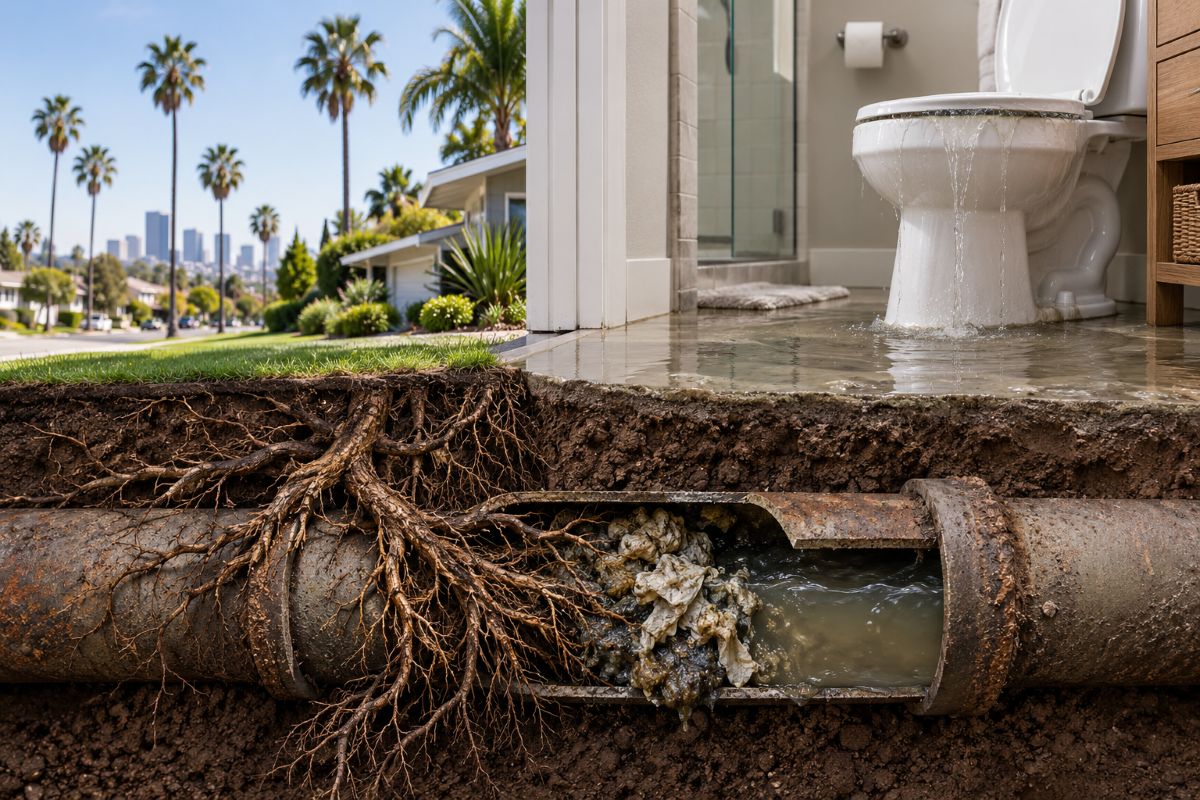


If you own a home in Culver City, especially an older one, there's a plumbing problem you may have heard about but hopefully never experienced: a slab leak. These hidden leaks can develop beneath your home's concrete foundation, sometimes going unnoticed until they cause water damage, higher utility bills, or problems with flooring.
At American Drain Works & Plumbing Company, we help homeowners throughout Culver City and the greater Los Angeles area diagnose and address plumbing problems. Understanding what causes slab leaks, how to recognize the warning signs, and what repair options are available can help you avoid expensive damage.
What Is a Slab Leak?
A slab leak occurs when a water supply pipe running beneath or within a home's concrete slab foundation develops a leak. Many Southern California homes are built on concrete slab foundations, with water lines running underneath the concrete. When one of these pipes begins leaking, water can accumulate beneath the foundation, migrate into flooring materials, or seep into surrounding soil. Unlike a dripping faucet or leaking pipe beneath a sink, a slab leak is hidden from view. That makes early detection particularly important.
6 Common Causes of Slab Leaks in Culver City Homes
1. Aging Copper Plumbing Pipes
One of the most common contributing factors to slab leaks is aging plumbing. Many older homes in Culver City and surrounding Los Angeles neighborhoods were built with copper water supply lines. Although copper is durable, it isn't immune to deterioration.
Over time, copper pipes may develop pinhole leaks caused by corrosion, abrasion, or other environmental conditions. Homes with original plumbing that's several decades old may be particularly vulnerable, depending on pipe condition, water chemistry, and installation quality.
2. Soil Movement Beneath the Foundation
Southern California soil conditions can contribute to plumbing problems. Soil naturally expands, contracts, and shifts in response to moisture changes. In some locations, this movement can place stress on water lines beneath a home's concrete foundation.
Over time, repeated movement may weaken pipe joints or contribute to cracks and leaks. Earthquake activity and ground settlement can also place additional stress on underground plumbing. Not every foundation movement causes a slab leak, but shifting soil is one factor plumbers consider when investigating underground pipe damage.
3. Corrosion From Water Chemistry and Soil Conditions
Copper pipes can corrode internally or externally under certain conditions. Factors that may contribute include:
- Water chemistry and mineral composition
- Soil moisture and corrosive soil conditions
- Contact with certain construction materials
- Improper installation or insufficient pipe protection
- Electrical conditions that contribute to corrosion
Over time, corrosion can weaken pipe walls until small leaks develop. Aging copper pipes combined with unfavorable environmental conditions can increase the likelihood of problems.
4. Poor Pipe Installation or Construction Practices
Sometimes the problem begins when the plumbing is originally installed. Water lines beneath concrete foundations should be properly routed, protected, and supported.
Potential installation issues include pipes rubbing against concrete, inadequate protection where pipes pass through building materials, and excessive stress at fittings or bends. Years of vibration, expansion, contraction, and normal use can eventually turn these weaknesses into leaks.
5. Water Pressure That's Too High
High water pressure can place unnecessary stress on a home's plumbing system. Although water pressure alone doesn't necessarily cause a slab leak, excessive pressure can accelerate wear on vulnerable pipes, joints, and fittings.
If your home has unusually strong water pressure, banging pipes, or recurring plumbing leaks, it may be worth having a licensed plumber check your water pressure and pressure regulator.
6. Abrasion and Pipe Movement
Water pipes naturally expand and contract as temperatures change. If a pipe is in direct contact with concrete, rocks, or other abrasive materials, repeated movement can gradually wear away its protective surface.
This can eventually create a weak spot in the pipe wall. Abrasion is one reason proper pipe installation and protection are so important.
What Are the Warning Signs of a Slab Leak?
Because slab leaks are hidden beneath concrete, homeowners often notice secondary symptoms rather than the leak itself. Some common warning signs include:
An unexplained increase in your water bill. If your water usage hasn't changed but your bill suddenly increases, a hidden leak could be responsible.
Warm spots on the floor. A leak in a hot water line can sometimes create noticeably warm areas on tile, hardwood, or other flooring.
The sound of running water. Hearing water movement when all faucets and appliances are turned off may indicate a leak somewhere in your plumbing system.
Damp flooring or carpeting. Moisture appearing without an obvious source could indicate water migrating upward from beneath the foundation.
Low water pressure. A significant leak may reduce available water pressure, although other plumbing issues can cause the same symptom.
Cracks or flooring damage. In some cases, prolonged moisture beneath a slab may contribute to flooring damage or foundation-related symptoms.
These signs don't automatically mean you have a slab leak, but they do warrant further investigation.
What Are the Options for Repairing a Slab Leak?
The best repair method depends on the location of the leak, the condition of the plumbing, and whether the problem is isolated or part of a larger pipe deterioration issue.
Spot Repair
If the damaged section of pipe is accessible and the surrounding plumbing is in good condition, a plumber may recommend opening a small section of the slab to repair or replace the affected pipe.
Pipe Rerouting
In some situations, rerouting a water line through walls, ceilings, or another accessible area may be preferable to breaking through the foundation. This approach can also make future plumbing maintenance easier.
Repiping
If a home has multiple leaks or extensively deteriorated plumbing, replacing a larger portion of the water supply system may be the better long-term solution. An experienced plumber can explain the advantages and limitations of each option after evaluating the plumbing system.
Frequently Asked Questions About Slab Leaks
How serious is a slab leak?
A slab leak can be serious if left untreated. Continued water loss may damage flooring, encourage mold growth, increase water bills, and potentially affect the soil supporting the foundation. The severity depends on the leak's size, location, and duration.
Does homeowners insurance cover slab leaks in California?
Coverage depends on your insurance policy and the circumstances of the leak. Some policies may cover certain resulting water damage or the cost of accessing a damaged pipe, while excluding the pipe repair itself or damage caused by long-term leakage. Contact your insurance provider for details.
Can a slab leak stop on its own?
No. A damaged pressurized water line generally will not repair itself. The symptoms may fluctuate, but the underlying pipe problem still needs attention.
How much does slab leak repair cost in Culver City?
Costs vary significantly based on the leak's location, accessibility, pipe condition, repair method, and the amount of flooring or concrete restoration required. A professional diagnosis is necessary before providing a reliable estimate.
Is a slab leak always under the foundation?
The term generally refers to a leak in plumbing located beneath or within a concrete slab. Similar symptoms can also come from drain leaks, irrigation lines, or other concealed plumbing problems, which is why accurate diagnosis matters.
Are Older Culver City Homes More Likely to Have Slab Leaks?
Older homes can face a greater risk of plumbing leaks because of aging pipes, original construction methods, and decades of exposure to environmental conditions. Culver City has many established residential neighborhoods with homes dating back to the early and mid-20th century. Properties that still have original water supply piping may be more susceptible to corrosion and wear than homes with newer plumbing systems. However, newer homes aren't completely immune. Improper installation, soil movement, and defective materials can cause leaks in plumbing systems of any age. The condition of the plumbing matters more than the age of the house alone.
Can You Prevent Slab Leaks?
Not every slab leak is preventable, particularly when soil movement or aging underground pipes are involved. However, Culver City homeowners can take several practical steps to reduce their risk:
- Have unusually high water pressure checked.
- Address recurring pinhole leaks rather than repeatedly patching failing pipes.
- Monitor monthly water usage for unexplained increases.
- Investigate damp flooring or unexplained moisture promptly.
- Have older plumbing evaluated if there is a history of leaks.
- Consider replacing deteriorating pipes before additional failures occur.
Early detection is one of the best ways to limit water damage and potentially reduce repair costs.
How Do Plumbers Find a Slab Leak Without Tearing Up the Floor?
One of the biggest concerns homeowners have is whether locating a slab leak means breaking apart their floors. Fortunately, professional leak detection methods can often help narrow down the location before invasive work begins. Depending on the situation, a plumber may use:
- Pressure testing: Checking the plumbing system for pressure loss that indicates a possible leak.
- Acoustic leak detection: Using specialized listening equipment to identify sounds produced by escaping water.
- Thermal imaging: Identifying temperature differences that may help locate leaks in hot water lines.
- Pipe isolation testing: Testing individual sections of the plumbing system to narrow down the affected area.
Not every leak can be pinpointed without opening a wall or floor, but a systematic diagnosis can reduce unnecessary demolition.
Concerned About a Slab Leak in Culver City? Call American Drain Works & Plumbing Company
If you've noticed unexplained water bills, damp flooring, warm spots, or other signs of a possible slab leak, don't ignore them.
American Drain Works & Plumbing Company is a fully licensed C-36 plumbing contractor serving Culver City, Los Angeles, and surrounding communities. We understand the plumbing challenges that can affect older Southern California homes and can help you determine the appropriate next steps. Whether you're dealing with a suspected underground water leak, aging pipes, or another residential plumbing concern, we're here to help.
Call American Drain Works & Plumbing Company at 310-390-3180 to discuss your plumbing problem and schedule service.