

Los Angeles is filled with beautiful older homes. From Spanish-style bungalows and Craftsman houses to postwar ranch homes and mid-century properties, much of the city’s character comes from neighborhoods built decades ago.
Unfortunately, the plumbing hidden behind those walls and underneath those foundations may be just as old as the house.
Even a well-maintained older home can develop recurring drain problems, leaking pipes, low water pressure, sewer backups and water-quality concerns. In many cases, these problems are not caused by something the current homeowner did wrong. They are the predictable result of aging materials, outdated plumbing practices, soil movement and decades of everyday use.
Understanding why these problems occur can help Los Angeles homeowners recognize warning signs, prevent water damage and make better decisions about repairs.
1. The Pipes May Be Nearing the End of Their Useful Life
Plumbing materials do not last forever.
Many older Los Angeles homes still contain at least some of their original water or drain lines. Even when portions of the plumbing have been upgraded, it is common to find a mixture of old and new materials throughout the property.
Depending on the home’s age and renovation history, its plumbing may include:
- Galvanized steel water pipes
- Aging copper supply lines
- Cast iron drainpipes
- Clay sewer laterals
- Older brass valves and fittings
- Outdated faucets, fixtures and soldered connections
Some of these materials can provide decades of dependable service. Eventually, however, corrosion, mineral buildup, movement and ordinary wear begin to take a toll.
The challenge is that aging often takes place inside the pipe. A water line may look acceptable from the outside while its interior has become significantly restricted by rust and mineral deposits.
2. Galvanized Pipes Corrode From the Inside
Galvanized steel was widely used for residential water lines before copper and modern plastic piping became more common.
These pipes were coated with zinc to help resist corrosion. Over time, that protective coating deteriorates. The exposed steel begins to rust, and corrosion gradually builds inside the pipe.
Common signs of deteriorating galvanized plumbing include:
- Weak water pressure
- Reduced flow at faucets and showers
- Rust-colored or discolored water
- Frequent leaks
- Clogged faucet aerators
- Uneven water pressure throughout the house
Because the corrosion occurs internally, repairs to isolated leaks may not resolve the underlying issue. When galvanized pipes have deteriorated throughout the home, repiping may be more practical than continuing to repair one section at a time.
The EPA also notes that galvanized plumbing can trap lead particles released from older plumbing materials, which may later enter the water. Homes built before 1986 are more likely to contain lead solder, fixtures or other plumbing components associated with lead exposure.
3. Aging Copper Pipes Can Develop Pinhole Leaks
Copper is a durable plumbing material, but it is not immune to failure.
Older copper pipes may develop tiny perforations known as pinhole leaks. These leaks can be caused or accelerated by several factors, including:
- Age-related deterioration
- Excessive water pressure
- Water chemistry
- Poorly installed fittings
- Pipe movement
- Corrosion
- Contact between incompatible metals
A pinhole leak may begin with only a small amount of moisture. If it occurs inside a wall, ceiling or concrete slab, it can remain unnoticed until it causes staining, mold growth, damaged flooring or an unusually high water bill.
Signs of a concealed copper leak may include:
- The sound of running water when fixtures are off
- Warm or damp areas on the floor
- Water stains on walls or ceilings
- Peeling paint
- Musty odors
- Unexplained increases in water usage
- A water meter that moves when no water is being used
Early leak detection can limit damage and help determine whether the problem is isolated or part of a larger pattern of pipe deterioration.
4. Old Cast Iron Drainpipes Can Rust, Crack and Become Restricted
Cast iron was commonly used for drain, waste and vent systems in older homes. It is strong and naturally reduces the sound of flowing wastewater, but it can deteriorate after decades of service.
The inside of a cast iron drain can become rough and heavily corroded. Waste, grease, hair and debris then catch more easily on the pipe’s uneven surface.
Older cast iron pipes may develop:
- Internal rust buildup
- Recurring drain clogs
- Cracks
- Leaking joints
- Flaking or scaling
- Low spots that hold wastewater
- Sections that have deteriorated underneath a slab
A drain snake may temporarily restore flow, but repeated clogs can indicate a deeper problem. A sewer camera inspection can help identify corrosion, cracking, root intrusion, offsets and other conditions that cannot be diagnosed from the fixture alone.
5. Clay Sewer Lines Are Vulnerable to Roots and Ground Movement
Many established Los Angeles neighborhoods have older sewer laterals made from vitrified clay.
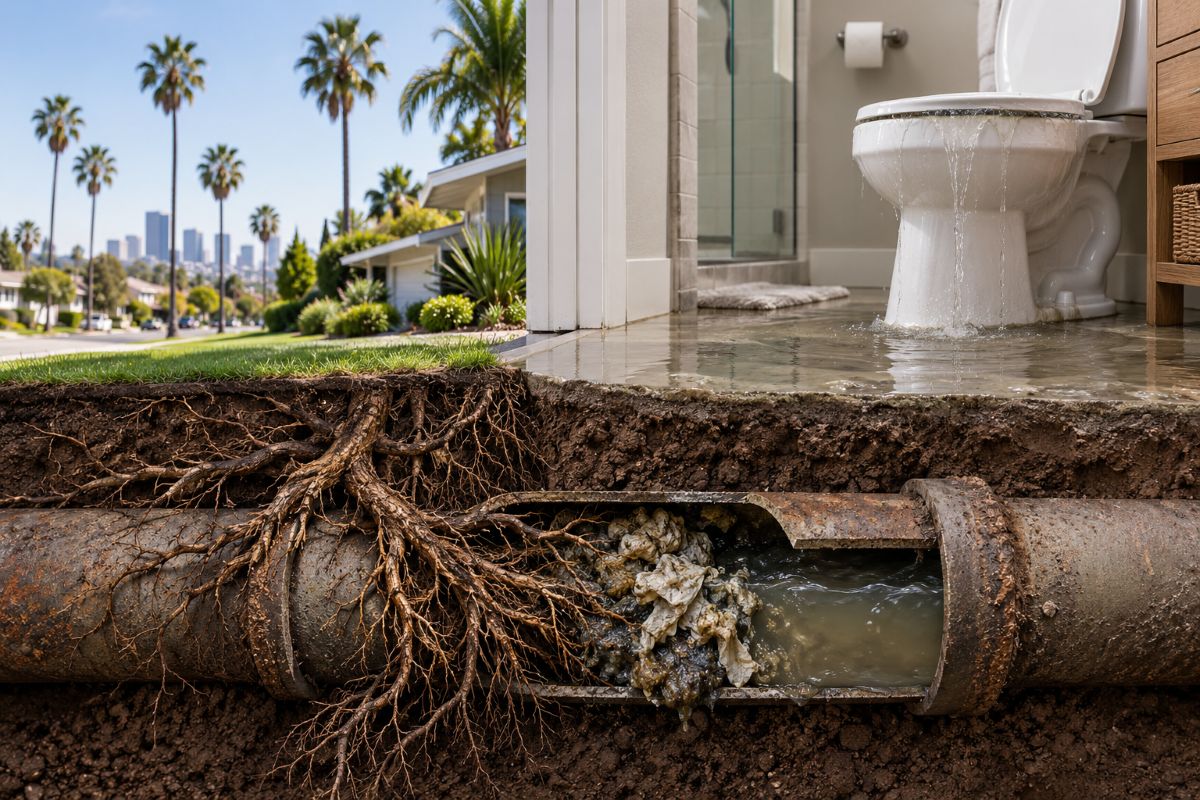
Clay pipe can remain functional for many years, but it is installed in relatively short sections connected by joints. As those joints loosen or shift, they may allow roots to enter the sewer line.
Roots are naturally attracted to moisture and nutrients. Once a small root enters a pipe joint, it can grow into a larger mass that catches paper and waste.
Clay sewer lines can also experience:
- Separated joints
- Cracks
- Misaligned sections
- Root intrusion
- Bellies or low spots
- Partial collapse
- Complete collapse
Warning signs include toilets that bubble, drains that gurgle, recurring main-line clogs, sewage odors and wastewater backing up through a shower or floor drain.
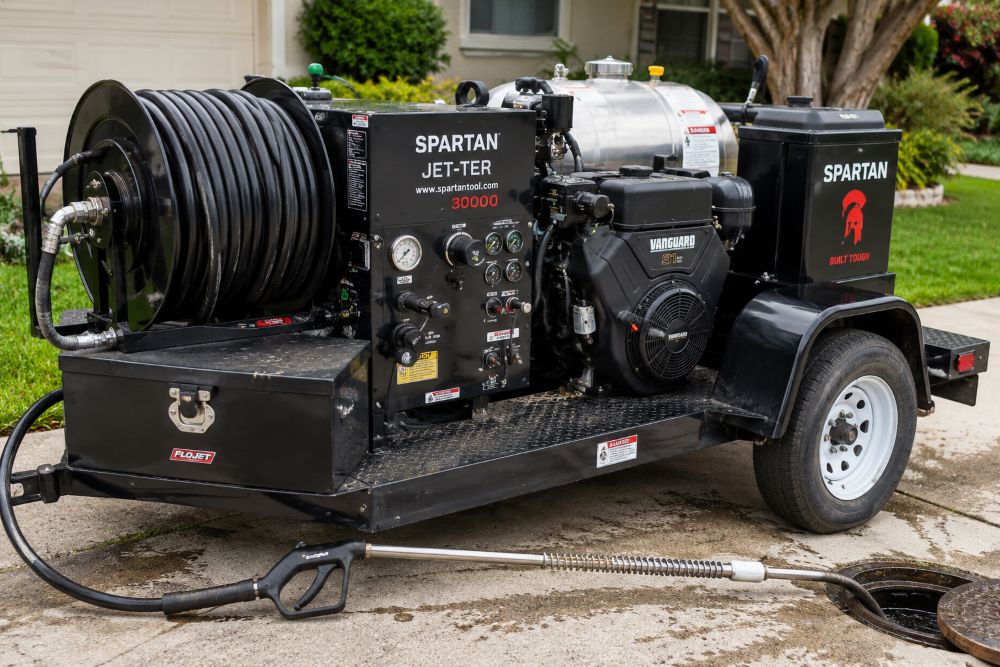
Hydro jetting may remove roots and buildup from a structurally sound line. A damaged, badly offset or collapsed sewer may require spot repair, trenchless rehabilitation or replacement.
6. Los Angeles Soil Movement Can Stress Underground Plumbing
Southern California homes are subject to ongoing ground movement. Earthquakes are the most obvious example, but smaller shifts can also occur because of expansive soil, hillside movement, erosion, construction activity and changes in moisture levels.
Movement does not have to be dramatic to affect plumbing.
Underground water and sewer lines depend on stable alignment. When the surrounding soil moves, pipes and fittings may separate, crack or settle.
Possible consequences include:
- Broken sewer connections
- Misaligned drainpipes
- Slab leaks
- Damaged water-service lines
- Cracked gas piping
- Sewer bellies
- Leaking joints
Older plumbing may be especially vulnerable because aging materials and connections have less ability to tolerate additional stress.
After a significant earthquake, homeowners should remain alert for unexplained water usage, damp areas, loss of water pressure, sewer odors and signs of gas leakage. Suspected gas leaks require immediate action: leave the area, avoid flames and electrical switches, and contact the gas utility or emergency services from a safe location.
7. High Water Pressure Can Accelerate Plumbing Damage
Strong water pressure may feel convenient, but excessive pressure can be hard on an older plumbing system.
High pressure places added stress on:
- Supply pipes
- Pipe joints
- Shutoff valves
- Faucets
- Toilet fill valves
- Washing-machine hoses
- Water heaters
- Ice-maker lines
- Pressure-sensitive appliances
The Los Angeles Department of Water and Power explains that water pressure varies by location and elevation. Pressure information is used to help determine pipe requirements and whether a pressure regulator is needed.
Many homes use a pressure-reducing valve to control the pressure entering the property. Like other mechanical components, that valve can eventually wear out.
Possible signs of excessive or poorly regulated pressure include:
- Banging pipes
- Frequently leaking fixtures
- Short appliance-hose life
- Running toilets
- Water heater discharge
- Sudden changes in water pressure
- Premature fixture failure
Testing the home’s water pressure is a relatively simple step that can reveal a problem before it causes a major leak.
8. Decades of Grease, Soap and Debris Accumulate in Drain Lines
Drainpipes do not always fail suddenly. In many homes, they become progressively more restricted over time.
Kitchen lines may accumulate:
- Cooking grease
- Oils and fats
- Soap residue
- Food particles
- Detergent buildup
Bathroom lines may collect:
- Hair
- Soap scum
- Toothpaste
- Shaving products
- Mineral deposits
- Personal-care products
A newer, smooth drainpipe may tolerate some accumulation before symptoms appear. An older corroded line has a rougher interior that catches debris more easily.
Homeowners may notice that a drain continues to clog even after plunging or snaking. This can happen when a small opening is created through a larger layer of buildup without thoroughly cleaning the pipe walls.
Depending on the condition and material of the drain line, professional drain cleaning or hydro jetting may provide a more complete solution.
9. Old Shutoff Valves May No Longer Work
Every home should have dependable shutoff valves. Unfortunately, valves that have not been operated in years may seize, leak or fail to close completely.
Older Los Angeles homes may still have outdated gate-style valves. These valves use an internal gate that moves up and down when the handle is turned. After decades without use, the stem can corrode or the gate can break.
That becomes a serious problem during a plumbing emergency.
A small fixture leak can cause extensive damage when the homeowner cannot stop the flow of water. Replacing an unreliable main shutoff with a modern quarter-turn ball valve can make the water easier to control when every second matters.
Homeowners should know:
- Where the main water shutoff is located
- How to operate it
- Whether it closes completely
- Where fixture-level shutoffs are located
- Who to call during an emergency
Do not force a badly corroded valve. Forcing it may cause the valve or connecting pipe to break.
10. Older Homes Often Contain Layers of Plumbing Repairs
A home built many decades ago may have been renovated several times by different owners, plumbers, handymen and contractors.
As a result, the plumbing may contain a patchwork of materials and repair methods.
One section might be original galvanized steel. Another may have been replaced with copper. A later repair may use PEX or another approved modern material.
Mixed plumbing is not automatically defective. Problems can occur, however, when materials are connected incorrectly or when an old repair was intended only as a temporary solution.
Common concerns include:
- Improperly supported pipes
- Incompatible metal connections
- Unapproved fittings
- Poorly soldered joints
- Incorrect drain slope
- Inaccessible shutoff valves
- Abandoned pipes
- Improvised drain connections
- Repairs hidden behind finished walls
This is one reason a professional plumbing inspection can be especially valuable before purchasing or renovating an older Los Angeles home.
11. Previous Remodeling May Have Covered Up Plumbing Problems
Kitchens and bathrooms are frequently remodeled for appearance before the underlying plumbing is fully evaluated.
New cabinets, tile and fixtures can make a room look modern even when the pipes behind them remain decades old.
Warning signs of a cosmetic remodel over aging plumbing may include:
- New fixtures connected to corroded supply lines
- Low pressure despite upgraded faucets
- Recurring drain odors
- Moisture inside cabinets
- Poor drainage from a newer sink or shower
- Unusual pipe transitions
- Missing or inaccessible cleanouts
Before undertaking a major remodel, it is worth evaluating the plumbing that will become difficult or expensive to access after the walls, floors and cabinets are completed.
12. Slab Foundations Make Some Leaks Harder to Detect
Many Southern California homes are built on concrete slab foundations. Water lines may run beneath or through that slab.
When one of those lines leaks, the water may travel beneath flooring or emerge far from the actual break.
Possible slab-leak symptoms include:
- A hot spot on the floor
- Cracked or buckled flooring
- Damp carpet
- The sound of running water
- A sudden water-bill increase
- Low water pressure
- Mildew or musty odors
- Water appearing near the foundation
A slab leak does not always require tearing up the entire floor. Leak-detection equipment can help locate the problem and determine whether a direct repair, reroute or broader repiping solution makes the most sense.
When Should You Have an Older Home’s Plumbing Inspected?
A plumbing inspection is worth considering when:
- You are buying an older Los Angeles home
- The property has galvanized water lines
- Drains clog repeatedly
- The sewer line has never been inspected
- Water pressure is weak or inconsistent
- The water bill has increased unexpectedly
- You are planning a kitchen or bathroom remodel
- You see corrosion on exposed pipes
- You notice recurring leaks
- The home has a history of sewer backups
- You do not know the age of the water heater
- The main shutoff valve does not work properly
An inspection does not necessarily mean everything must be replaced. Its purpose is to identify current problems, evaluate vulnerable materials and help prioritize repairs.
Should You Repair or Repipe an Older Home?
The right solution depends on the location, extent and cause of the problem.
An isolated repair may make sense when:
- The remaining plumbing is in good condition
- The leak is caused by a damaged fitting
- The problem is confined to one accessible area
- There is no history of recurring leaks
A partial or whole-home repipe may be worth considering when:
- Galvanized plumbing is heavily restricted
- Leaks continue occurring in different locations
- Water is frequently discolored
- Pressure is poor throughout the house
- Multiple sections have already been patched
- Pipes will soon become inaccessible during remodeling
- The system is approaching the end of its reliable service life
A reputable plumber should explain the available options rather than automatically recommending the most extensive repair.
How Los Angeles Homeowners Can Protect Older Plumbing
You cannot stop plumbing materials from aging, but you can reduce the risk of unexpected damage.
Helpful preventive measures include:
- Know where the main water shutoff is located.
- Have the home’s water pressure tested.
- Repair recurring leaks instead of ignoring them.
- Avoid pouring grease into kitchen drains.
- Do not rely on chemical drain cleaners.
- Schedule a sewer camera inspection when backups recur.
- Replace corroded fixture supply lines.
- Flush and maintain the water heater as recommended.
- Investigate unexplained water-bill increases.
- Have aging plumbing evaluated before a major remodel.
Most importantly, pay attention when the plumbing begins behaving differently. A slow drain, intermittent pressure problem or small water stain may be an early warning of a much larger issue.
Plumbing Help for Older Homes in Los Angeles and Culver City
Owning an older Los Angeles home comes with plenty of character, but it can also come with plumbing that needs specialized attention.
American Drain Works & Plumbing Company has experience diagnosing and repairing plumbing problems in older homes throughout Culver City, West Los Angeles and surrounding communities. From recurring drain clogs and deteriorating sewer lines to leak detection, water-pressure problems and aging water pipes, we focus on finding the cause of the problem—not simply treating the symptom.
Call American Drain Works & Plumbing Company at 310-390-3180 to schedule plumbing service or an evaluation of your older home’s plumbing system.
Frequently Asked Questions
How do I know whether my Los Angeles home has galvanized pipes?
Galvanized pipes are usually gray or silver-colored and may have threaded fittings. A magnet will generally stick to galvanized steel. Copper pipes have a reddish-brown appearance, while many modern plastic pipes are white, cream, blue or red. A plumber can identify the materials used throughout the home and determine whether older sections remain concealed inside walls.
Do all older Los Angeles homes need to be repiped?
No. The age of a home alone does not determine whether it needs repiping. The decision should be based on pipe material, condition, water pressure, leak history, water quality and the extent of previous repairs.
Why do my drains keep clogging even after they are snaked?
Snaking may create an opening through a blockage without removing all the grease, scale, roots or debris attached to the pipe walls. Recurring clogs may also indicate damaged, offset or heavily corroded drainpipes. A camera inspection can help determine the underlying cause.
Are old sewer pipes always made from clay?
No. Older homes may have clay, cast iron, concrete, Orangeburg or a combination of materials. Repairs and additions completed over the years can also result in several different pipe materials within one sewer lateral.
Can high water pressure damage old pipes?
Yes. Excessive pressure places additional strain on pipes, fittings, valves, fixtures, appliance hoses and water heaters. Older plumbing may already be weakened by corrosion or wear, making pressure regulation especially important.
What are the warning signs of a failing sewer line?
Common signs include recurring main-line clogs, several slow drains at once, bubbling toilets, gurgling sounds, sewage odors, unusually green patches in the yard and wastewater backing up through a shower or floor drain.
Should I get a sewer camera inspection before buying an older home?
It is often a sensible precaution. A standard home inspection may not reveal the condition of an underground sewer lateral. A sewer camera can identify roots, cracks, offsets, deterioration and other potentially expensive problems.
Can old plumbing affect water quality?
Yes. Corrosion, sediment, deteriorating fixtures and older plumbing components can affect the water inside a property even when the municipal water supply meets applicable standards. LADWP notes that factors beyond the water meter—including a home’s plumbing and water heater—may affect water quality inside the home.