
When a drain slows down or stops completely, homeowners often hear two possible solutions: snaking the drain or hydro jetting the line.
Both methods can be effective, but they solve different types of problems.
A drain snake is often a good choice for a simple, isolated clog. Hydro jetting is designed to clean more thoroughly by removing grease, sludge, scale and other buildup from the inside walls of the pipe.
The right choice depends on what is causing the blockage, how often the problem occurs and the condition of the plumbing itself.
For homeowners in Los Angeles and Culver City, where many properties have older drain and sewer systems, determining the cause of the clog before choosing a cleaning method can be especially important.
What Is Drain Snaking?
Drain snaking, sometimes called cabling or augering, involves feeding a flexible metal cable into a drainpipe.
A cutting head or auger at the end of the cable is used to break apart or pull through the obstruction.
Snaking is one of the most common methods plumbers use to clear clogged drains because it can quickly restore flow without requiring extensive work.
A drain snake may be appropriate for hair clogs, toilet paper blockages, small food obstructions, localized bathroom drain clogs, some minor root intrusions or foreign objects lodged in a drain. For a relatively simple blockage, snaking may be all that is needed.
What Is Hydro Jetting?
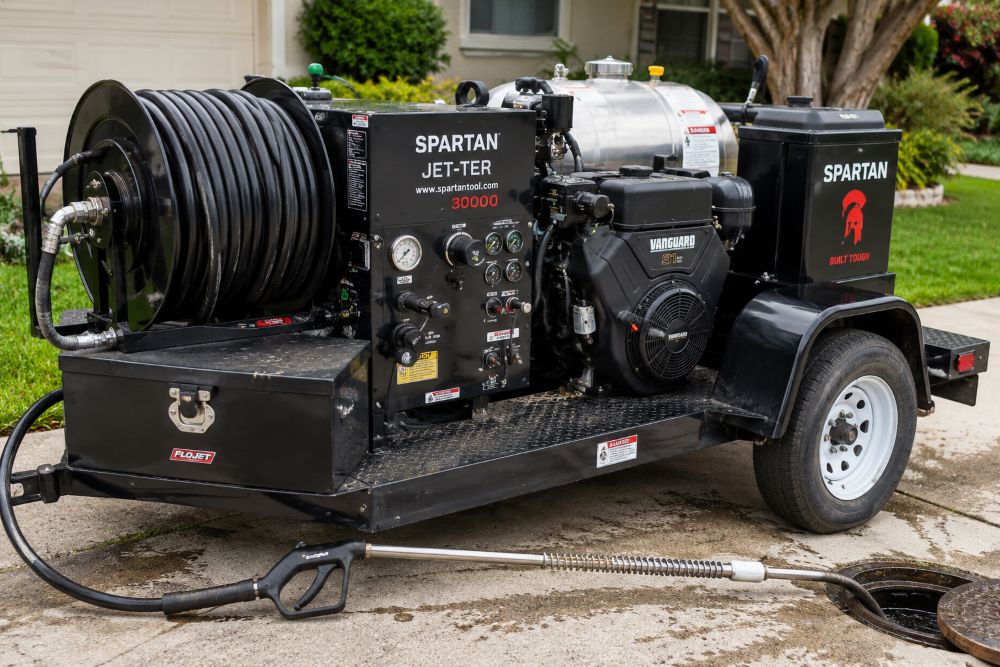
Hydro jetting uses highly pressurized water to clean the inside of a drain or sewer line.
A specialized hose is inserted into the pipe, and water is directed through a nozzle at high pressure. The water can break apart buildup while flushing debris through the plumbing system.
Unlike a drain snake, which typically creates an opening through a clog, hydro jetting can clean a much larger portion of the interior pipe surface.
Hydro jetting can be especially effective for removing grease, soap residue, sludge, mineral buildup, food debris, scale, some tree roots or accumulated waste along pipe walls. This makes hydro jetting useful when the problem is not simply one object blocking the drain.
What's the Main Difference Between Hydro Jetting and Snaking?
The biggest difference is how thoroughly each method cleans the pipe.
A drain snake primarily focuses on opening a blockage.
Imagine a pipe containing a thick layer of grease with only a small opening remaining in the middle. A snake may punch through that buildup and restore drainage.
Water can flow again, but much of the grease may remain attached to the pipe walls.
Hydro jetting is designed to remove more of that buildup and flush it out of the line. That distinction becomes important when a homeowner has a drain that repeatedly clogs in the same location.
When Is Snaking the Better Choice?
Snaking is often appropriate when the problem is straightforward and isolated. For example, if one bathroom sink suddenly stops draining because of hair buildup, snaking may solve the problem quickly. It may also be the better option when:
- The clog occurred suddenly
- Only one fixture is affected
- The drain normally works well
- There is a known object causing the obstruction
- The plumbing is fragile or its condition is uncertain
- A plumber needs to restore flow before further inspection
Snaking can also be useful as a diagnostic tool. Once the drain is open, a plumber may be able to perform a camera inspection to determine why the blockage occurred.
When Is Hydro Jetting the Better Choice?
Hydro jetting may be more appropriate when buildup has accumulated throughout the line rather than at a single point. Common situations include:
- Recurring Drain Clogs
If a drain keeps clogging despite repeated snaking, there may be grease, scale or debris remaining on the pipe walls. Each time the drain is snaked, a temporary pathway may be created through the buildup. Eventually, that pathway becomes restricted again. Hydro jetting may provide a more complete cleaning. - Grease Buildup
Kitchen drains are particularly vulnerable to grease. Even when homeowners avoid pouring liquid cooking oil directly into the sink, small amounts of fats and oils can enter the drain while dishes, pans and utensils are washed. Over time, those materials can coat the pipe walls. Grease can also trap food particles and other debris, gradually reducing the diameter of the drain. Hydro jetting is often effective at breaking apart and flushing away this type of accumulation. - Heavy Sludge and Debris
Older drain lines can develop years of buildup. Soap, detergents, food particles, hair, minerals and organic material may gradually collect inside the pipe. A drain snake may cut through this material without removing all of it. Hydro jetting can clean a larger portion of the pipe interior. - Some Tree Root Problems
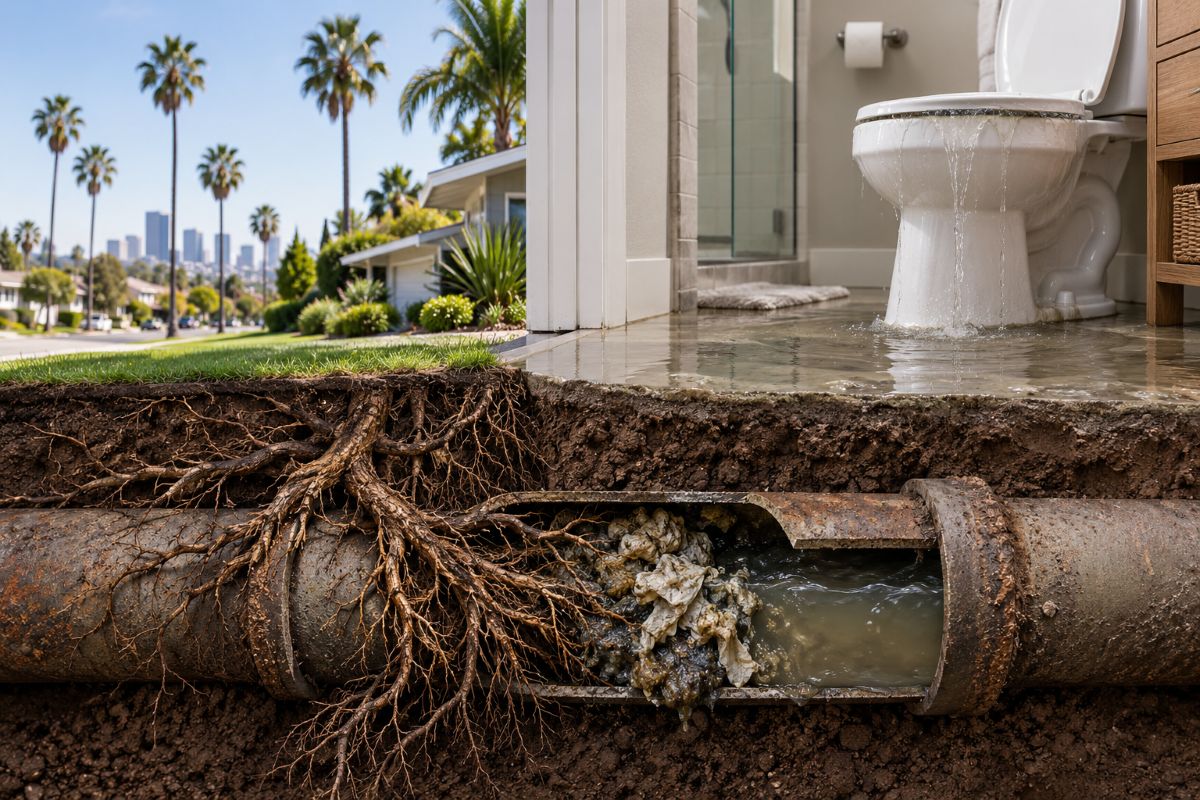
Tree roots can enter older sewer lines through cracks, loose joints and damaged connections. Certain hydro jetting equipment can cut and flush smaller root intrusions from the pipe. However, hydro jetting does not repair the damaged sewer line that allowed the roots to enter. If roots continue returning, the pipe may eventually require repair or replacement.
Hydro Jetting vs. Snaking: Which One Lasts Longer?
There is no fixed amount of time that either method will keep a drain clear.
The answer depends on what caused the clog.
If a toy is accidentally flushed down a toilet and removed with a drain snake, the problem may never occur again.
If a heavily grease-coated kitchen drain is merely opened with a snake, however, the remaining buildup may contribute to another clog relatively quickly.
Hydro jetting can provide a longer-lasting result when recurring blockages are caused by material coating the pipe walls. Neither method can permanently solve a drain problem caused by a broken, collapsed or improperly installed pipe.
Can Hydro Jetting Prevent Future Drain Clogs?
Hydro jetting can substantially reduce existing buildup, which may decrease the likelihood of another blockage.
It cannot prevent everything that might clog a drain in the future.
Commercial kitchens and certain heavily used plumbing systems may also benefit from periodic preventive drain cleaning.
So, Should You Hydro Jet or Snake Your Drain?
For a simple clog, snaking may be all you need.
For recurring problems caused by grease, sludge, scale or heavy buildup, hydro jetting may provide a much more thorough cleaning.
If the same drain or sewer line continues backing up, the best next step may actually be neither one initially.
A camera inspection can help determine whether you have a cleaning problem or a damaged-pipe problem.
The goal should not simply be to make the water drain again today. It should be to understand why the drain became clogged and choose the solution most likely to keep it working properly.
Is Hydro Jetting Always Better Than Snaking?
No. Hydro jetting is powerful, but it is not automatically the right choice for every clogged drain.
For a small hair clog in a bathroom sink, hydro jetting would usually be unnecessary.
The condition of the pipe also matters.
Older sewer lines may contain cracks, separated joints, corrosion, weak cast iron, damaged clay pipe, partial collapse or improper repairs.
Applying high-pressure water to a badly deteriorated line may not be appropriate. For this reason, a plumber may recommend inspecting the pipe before hydro jetting, particularly when dealing with an older sewer system.
Why a Sewer Camera Inspection May Come First
When a home experiences repeated sewer backups or chronic drain problems, it is important to determine why the clog keeps returning.
A sewer camera can be inserted into the pipe to inspect its interior.
The inspection may reveal tree roots, heavy buildup, cracks, offset pipe sections, broken joints, corrosion, sewer bellies, foreign objects or collapsed sections. This information helps determine whether cleaning the pipe is actually the correct solution.
For example, hydro jetting may thoroughly clean a grease-filled sewer line. But if the camera shows that the pipe has partially collapsed, cleaning alone will not solve the underlying problem.
Can Hydro Jetting Damage Old Pipes?
When performed correctly on appropriate plumbing, hydro jetting is an effective professional drain-cleaning method.
However, the condition of the pipe matters.
This is particularly relevant in older Los Angeles neighborhoods where sewer systems may contain aging clay or cast iron.
An experienced plumber should consider factors such as pipe material, pipe age, existing cracks, corrosion, previous repairs, root intrusion and structural condition.
If the line is severely damaged, an alternative cleaning method or sewer repair may be recommended.
Why Do Some Los Angeles Homes Have Recurring Drain Problems?
What About Chemical Drain Cleaners?
Chemical drain cleaners may seem like an easy solution, but they generally are not the same as professionally cleaning a drain.
Strong chemicals can be hard on certain plumbing materials, and they may not remove the underlying buildup causing recurring problems.
They can also create hazardous conditions for anyone who later works on the drain.
If a blockage does not clear easily with a plunger or another safe homeowner method, having the drain professionally evaluated is usually the better approach.
Frequently Asked Questions About Hydro Jetting and Drain Snaking
Is hydro jetting better than snaking?
Neither method is universally better. Snaking is excellent for many simple clogs, while hydro jetting is generally better for removing significant grease, sludge and buildup from pipe walls.
How do I know if my drain needs hydro jetting?
Recurring clogs, multiple slow drains and heavy grease or debris buildup may indicate that hydro jetting would be helpful. A plumbing or camera inspection can confirm the cause.
Will hydro jetting remove tree roots?
Hydro jetting can remove some root intrusion, depending on the equipment and condition of the line. However, it does not repair the cracks or joints that allowed roots into the sewer. Recurring roots may indicate that the pipe needs repair.
Does snaking clean the entire drainpipe?
Usually not. Snaking primarily removes or penetrates the obstruction so water can flow again. It may leave grease, scale and other material attached to the inside of the pipe.
Should a plumber camera-inspect the sewer before hydro jetting?
A camera inspection can be especially valuable with older or repeatedly clogged sewer lines. It allows the plumber to check for cracks, collapse, offsets and other structural problems before deciding whether hydro jetting is appropriate.
Can I hydro jet my own drain?
Professional hydro jetting equipment operates at very high pressure and requires proper equipment, training and an understanding of pipe condition. It is generally a job for a plumbing professional rather than a typical DIY drain-cleaning project.
How often should a residential sewer line be hydro jetted?
There is no universal schedule. Many homes never require routine hydro jetting. Properties with recurring grease buildup, heavy usage or known drain issues may benefit from periodic cleaning based on the condition of the plumbing.