
Over the past 18 months, our clients have experienced a significant increase in water pipe leaks and ruptures costing thousands in unexpected repairs. In fact, we have seen more failures in the last 18 months than in the previous 20 years combined. This is not a coincidence, there is a reason.
As municipal water systems age, water agencies continue to make necessary infrastructure improvements to meet demand, ensure water quality, and comply with evolving safety standards. While these upgrades are essential, they can also introduce changes that directly affect residential plumbing systems.
⚠️ 80 PSI WARNING
Water pressure exceeding 80 PSI can damage your plumbing system.
Pipes, fittings, and fixtures are not designed to handle sustained high pressure. Excess pressure can lead to:
- Leaks
- Pipe ruptures
- Fixture failure
- Water hammer
Important: Water pressure fluctuates throughout the day. A single reading may not detect dangerous spikes.
Understanding Static Water Pressure
Every plumbing system experiences changes in water pressure throughout the day. These highs and lows are known as static water pressure. When pressure exceeds 80 PSI, plumbing systems become vulnerable. Fixtures, fittings, and especially older or corroded pipes are at increased risk of leaking or rupturing.
Think of it like a balloon—there is only so much pressure it can handle before it fails.
Why This Is Happening Now
Historically, municipal systems allowed pressure fluctuations to dissipate back into the main water supply, helping regulate pressure and protect residential plumbing. Today, to prevent cross-contamination, water agencies have installed one-way (backflow) valves. While effective for water safety, these systems prevent pressure from relieving back into the main line.
As a result, pressure fluctuations—including spikes above 80 PSI—are now contained within your private plumbing system, increasing the risk of damage.
Why Pressure Testing Matters
A single pressure reading does not tell the whole story. Water pressure rises and falls throughout the day. A plumber may record a normal reading during a visit, while dangerous high-pressure spikes occur at other times—going undetected until damage happens.
How to Protect Your Home
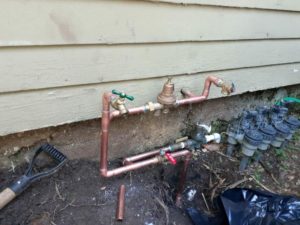
If your water pressure exceeds 80 PSI, a pressure regulator system (PRS) is essential. A properly installed system includes:
- A correctly sized pressure regulating valve (PRV)
- A pressure relief valve for added protection
- All plumbing systems within the home, including irrigation, should be installed downstream of this system.
Ongoing Maintenance Matters
Pressure regulators and relief valves are mechanical devices and can fail over time, especially in areas with hard water. Routine inspection and maintenance are critical to ensure continued protection.
What You Should Know
- Do you know your home’s water pressure?
- Has it been tested over time—not just once?
- Do you know who to call if your pressure is too high?
Call American Drain Works! 310-390-3180
🚨 TAKE ACTION BEFORE A LEAK BECOMES A FAILURE
High water pressure is one of the most common—and most overlooked—causes of plumbing damage. By the time a leak appears, the damage has already begun.
Don’t wait for a rupture to find out your system is at risk.
📞 SCHEDULE YOUR WATER PRESSURE CHECK TODAY
We make it easy:
📱 Call or Text: 310-390-3180
📸 Send Photos or Videos for Review
⚡ Fast Response, Direct Communication, We Will:
- Evaluate your current water pressure
- Identify hidden pressure spikes
- Recommend the right solution to protect your home